

Paris Beyond the Louvre: Lesser-Known Sites in the City of Light
I recently had the opportunity to meet up with some friends in Paris. I gotta confess—I don’t love Paris the way some people do. I like it just fine, but I sometimes feel it’s a bit overrated compared to other lovely cities in Europe. I’d been to Paris twice before, and I wasn’t sure what I’d find to do that wouldn’t just be a repeat of previous visits. But I was pleasantly surprised.
Arrival - Exploring the Neighborhood
I arrived early Monday morning at Orly Airport. It’s an easy ride into the city on Metro line 14. I used Bounce to store my luggage near Gare du Nord before setting out to explore Montmartre.
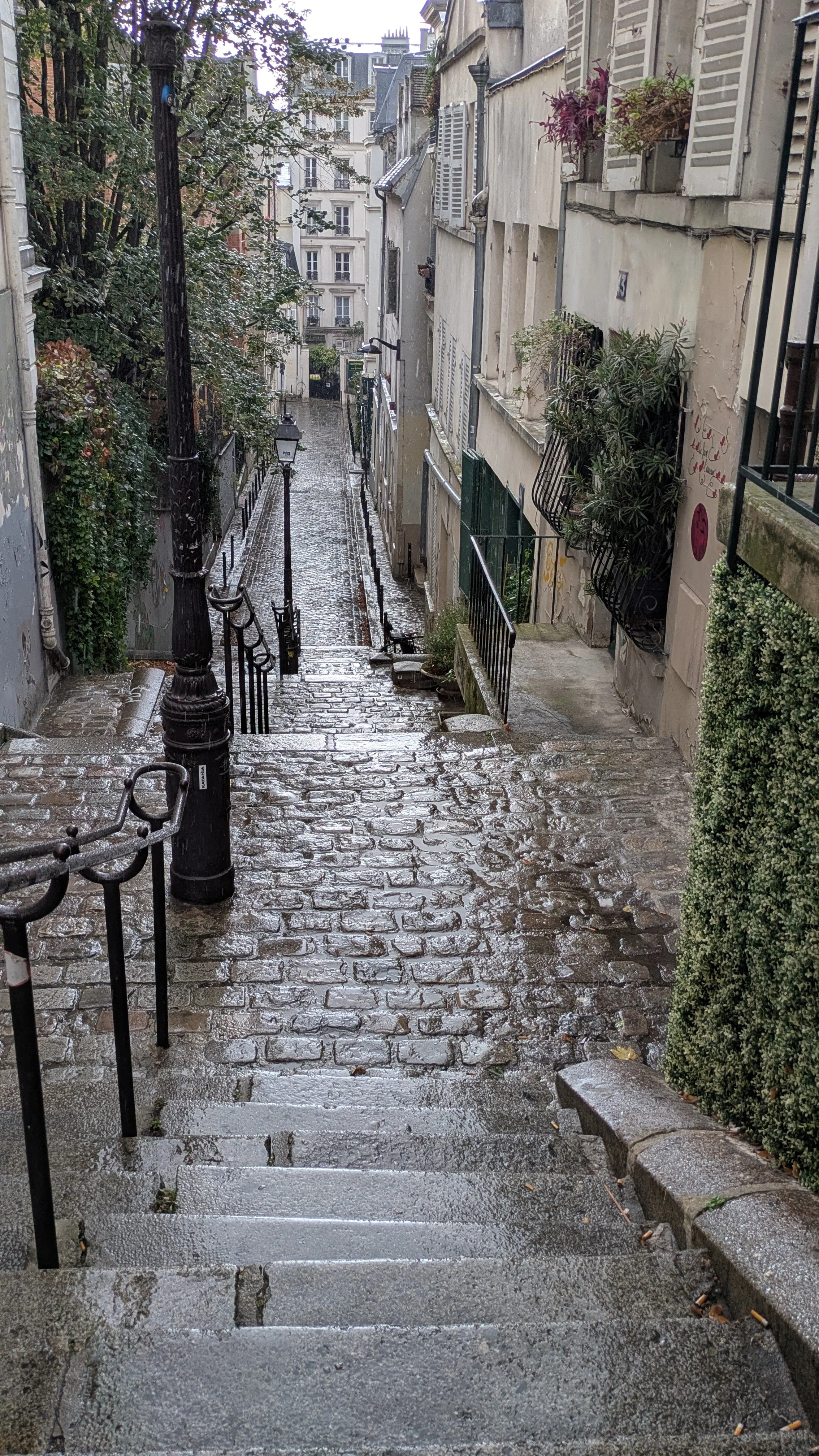
I strolled along Rue des Abbesses, one of my favorite streets in the neighborhood. For lunch, I had a Croque Monsieur and couldn’t resist stopping for chocolates at Christophe Roussel—if you love creative flavor combinations, this shop is a must. When it started to rain, I ducked into Église Saint-Jean de Montmartre, a striking Art Nouveau church made of brick and iron that feels a world away from the usual Parisian Gothic style. By the time I wandered over to the Moulin Rouge, the sun had come back out.
I checked into my tiny Airbnb in the 18th arrondissement, in a busy, bustling African neighborhood full of energy and great street food. That evening, I met my friends for crêpes and galettes at Breizh Café—definitely worth a visit if you appreciate top-quality Breton-style buckwheat crepes.
Notre Dame, Dining, and Shopping
The next morning, we met early to see Notre-Dame. Reopened after its long restoration, the lady looks clean and beautiful once again. It’s free to visit, but tickets are required and released online only a few hours in advance. We went right at opening time (8 a.m.) and had no trouble getting in.
Afterward, we crossed the Seine to the first arrondissement for French onion soup at lunch, then wandered through some of Paris’s covered passages. These 19th-century glass-roofed arcades—like Passage des Panoramas and Galerie Vivienne—were the original shopping malls, lined with little boutiques, cafés, and antique bookstores. Even if you’re not a shopper, they’re worth exploring just for the architecture: mosaic floors, iron details, and light streaming through the glass ceilings.
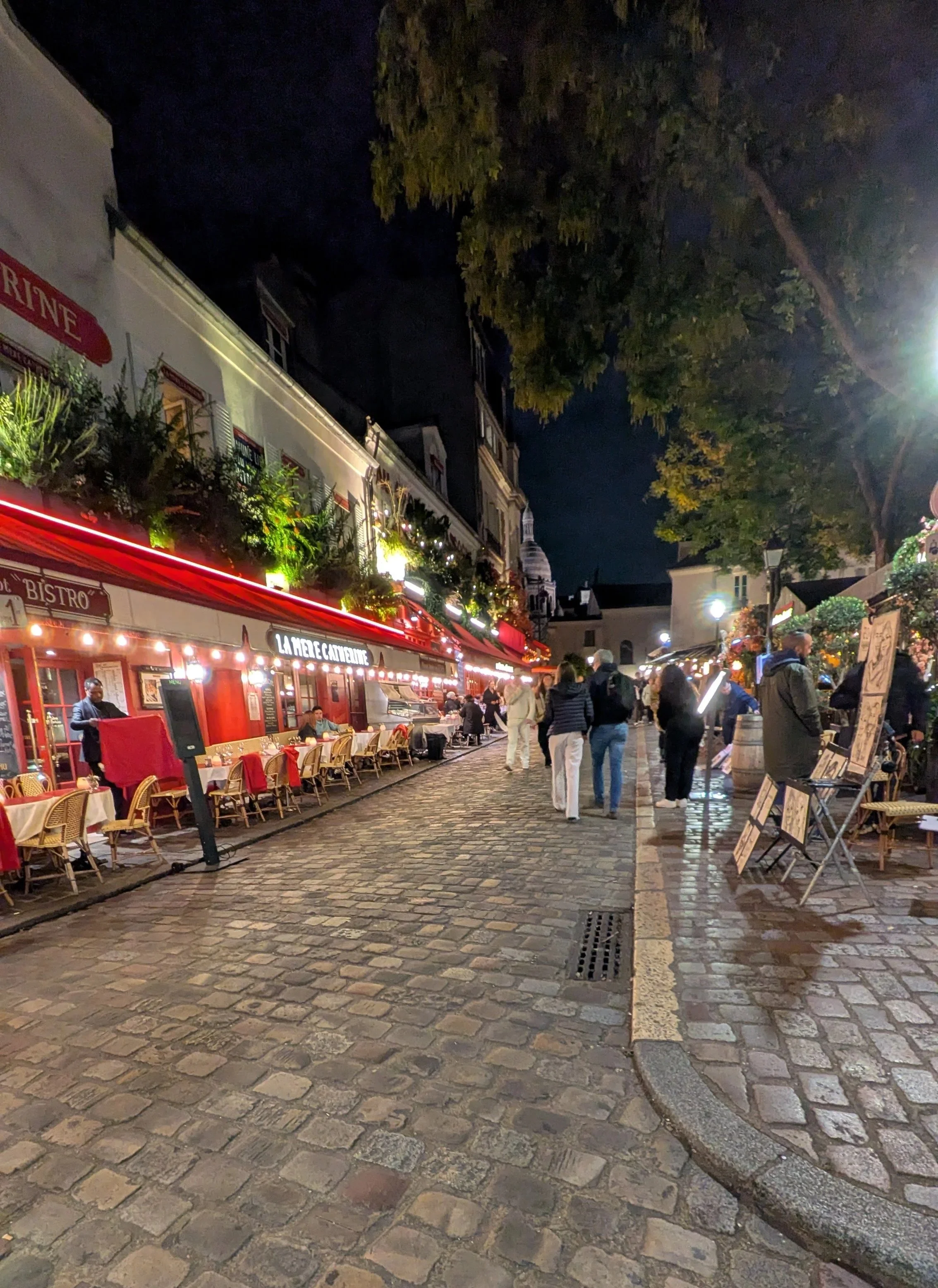
That night we had dinner back in Montmartre, in a small restaurant on Place du Tertre square (up many, many stairs!). The food—escargot and foie gras—wasn’t particularly memorable, but the atmosphere was. After dinner, we wandered up to Sacré-Cœur and were able to go inside. It’s open late, and at night it’s calm and peaceful, with stunning views of the city twinkling below.
Day Trip to Giverny
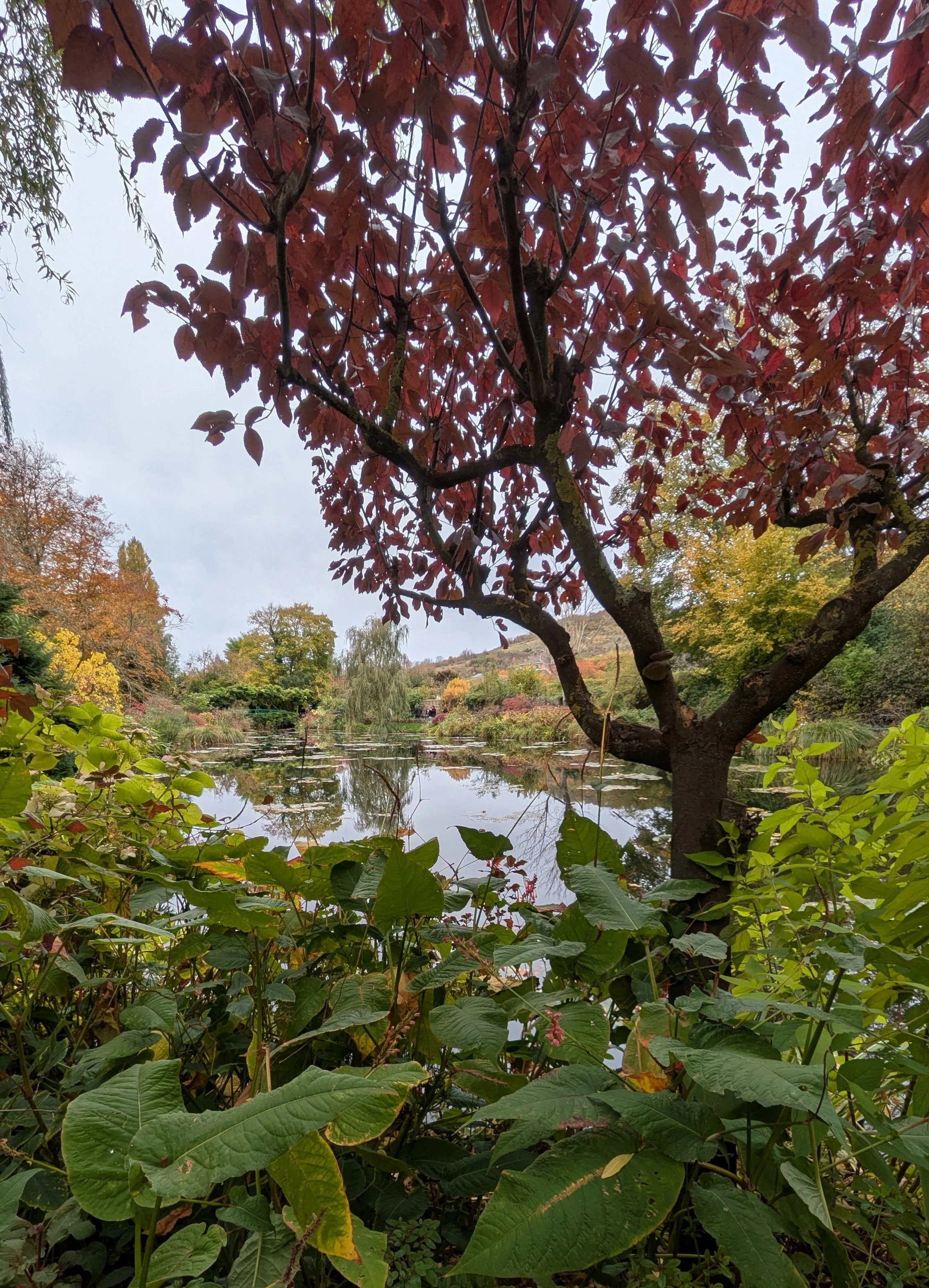
On Wednesday, we took a day trip to Giverny. It’s an easy 45-minute train ride from Paris Saint-Lazare to Vernon, then a quick shuttle bus to the village. We’d packed a picnic of baguettes, cheeses, and fruit and ate before our timed entry to Monet’s Garden. Even though it was fall and the famous water lilies weren’t in bloom, the gardens were still lovely—the trees were turning color, and the lily pond reflected all those shades of gold and orange. Visiting in the off-season meant fewer crowds, and it was easy to imagine why Monet found endless inspiration here.
Back in Paris, we had dinner at Au Pied du Cochon, a classic brasserie near Les Halles that’s been serving hearty French fare since 1947. The pork loin was fabulous, and the Paris-Brest for dessert was the perfect sweet finish.
Hidden Treasures
Thursday was all about exploring the darker side of Paris—literally. We went to the Paris Catacombs, a labyrinth of tunnels deep beneath the city that hold the remains of more than six million Parisians. In the late 1700s, Paris’s cemeteries had become overcrowded and unsanitary, so bones were carefully transferred here from the city’s graveyards. Walking through rows of neatly stacked skulls and femurs was both eerie and fascinating—a powerful reminder of just how old this city really is. It’s best to book tickets in advance; the lines can be long even in the off-season.
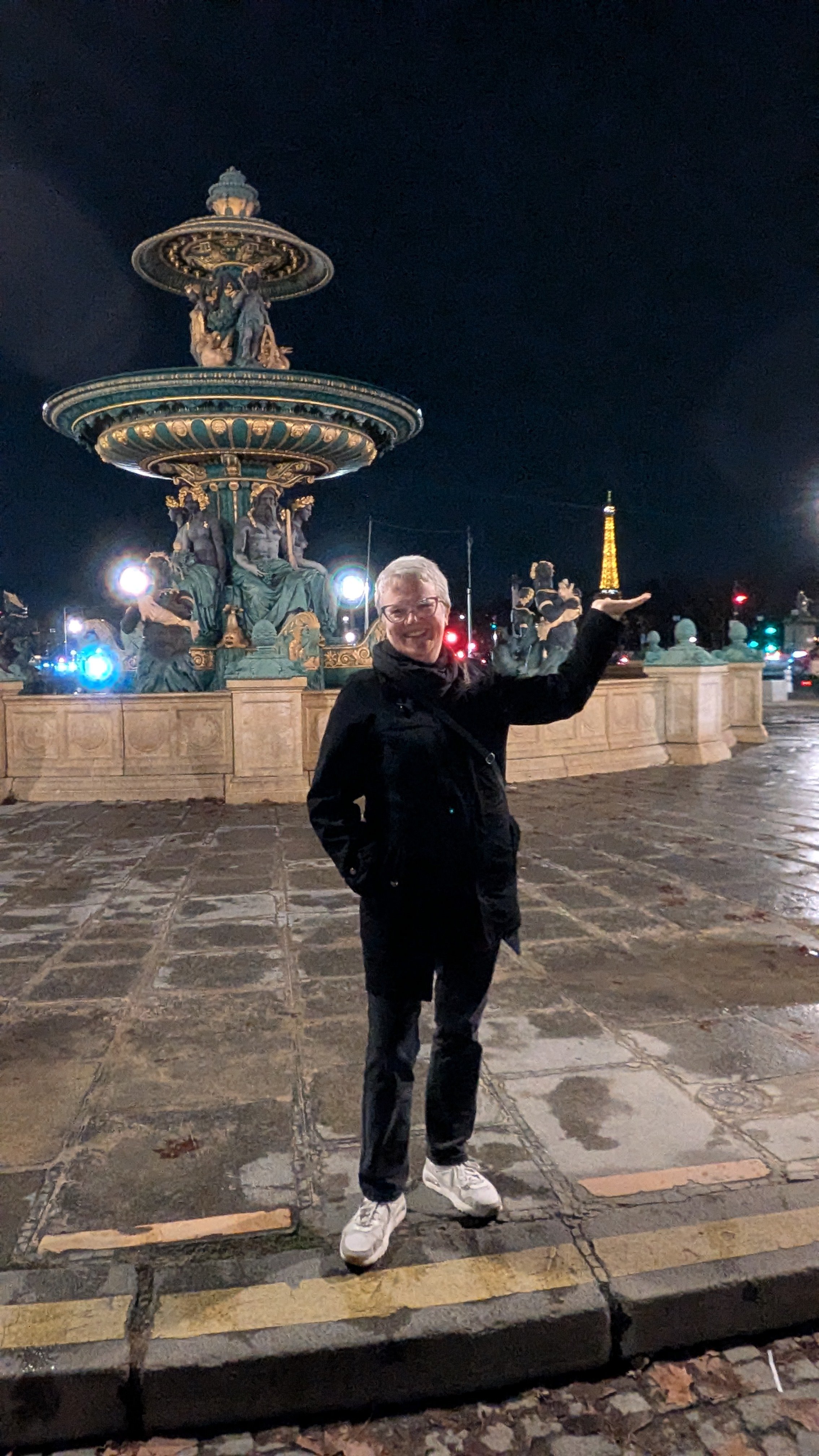
That evening, we met up again for crêpes in the 8th arrondissement at Crêpe Avenue. Great service, a cozy atmosphere, and excellent food. After dinner, we walked down to the Seine and followed the river for beautiful views of the Eiffel Tower at night. We even stopped at a floating bar for a warm drink while watching the lights shimmer on the water.
On our final morning, we squeezed in a visit to the free Musée d’Art Moderne de Paris. It’s often overlooked, but it has an impressive collection of 20th-century art—including works by Matisse, Delaunay, and Picasso—and a lovely view of the Eiffel Tower from the terrace. A relaxing, art-filled way to end the trip before heading back to Orly for the flight home.