

Fallas: Valencia’s Wild celebration of Fire, Art, and Community
Every March, the city I call home transforms completely.
Valencia’s streets fill with towering sculptures, fireworks echo at all hours, and the smell of gunpowder lingers in the air. Locals gather in neighborhood tents to eat and drink together, traditional dresses appear everywhere, and entire intersections become open-air art galleries.
This is Las Fallas, Valencia’s most famous festival, celebrated every March in honor of Saint Joseph.
If you’ve never experienced Fallas before, it can feel a little overwhelming. There are fireworks, parades, sculptures, marching bands, and cannon-like explosions happening daily for nearly three weeks, with the biggest celebrations from March 15–19.
To help make sense of it all, here are the main elements that make up the festival.
The Casals: The Heart of Each Neighborhood
At the center of Fallas are neighborhood groups called falla commissions. Each group represents a specific area of the city and spends the entire year planning their contribution to the festival. Their headquarters is called a casal.
During the celebration, each falla commission sets up temporary open-air tents in plazas or streets where members gather to eat, drink, play music, and celebrate together. Some are private for members, but others welcome visitors.
Walking through the city during Fallas, you’ll often hear music blasting from casals late into the night, see long communal tables set up for meals, or spot locals dressed in traditional clothing heading in and out.
The casals are where the social life of Fallas happens. They’re the reason the festival feels less like a tourist event and more like a giant neighborhood celebration.
The Fallas: Giant Works of Art
The most visually striking part of the festival is the fallas themselves. Each neighborhood commissions large, elaborate sculptures—often several stories tall—that are installed throughout the city during La Plantà, usually on March 15.
These sculptures are colorful, detailed, and often satirical. Many poke fun at politicians, celebrities, or current events. Others tell stories or create whimsical fantasy scenes.
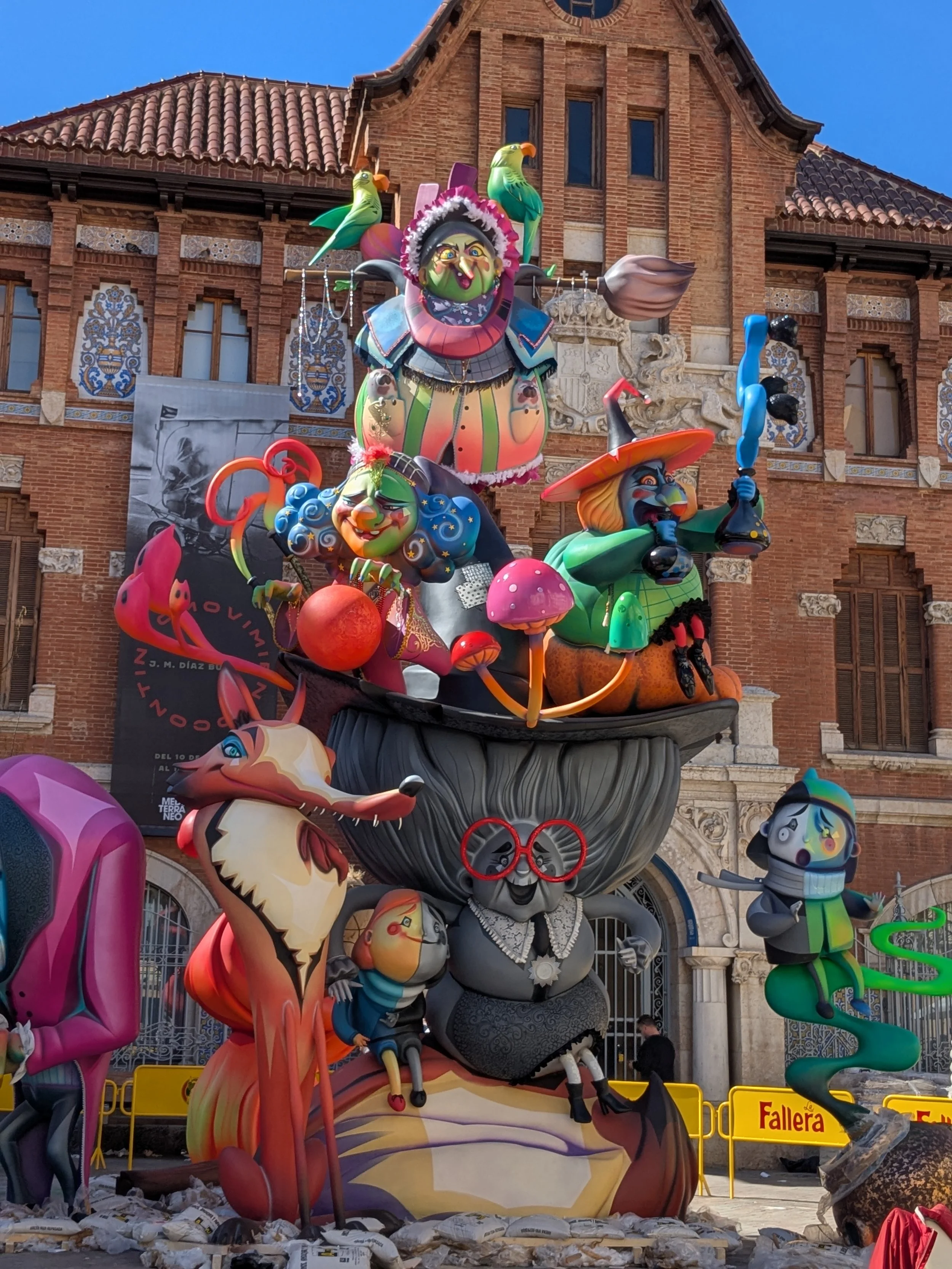
In addition to the large centerpiece sculpture, most fallas installations include smaller figures called ninots, each crafted with incredible detail. The ninots are on display at the Museo de las Ciencias for the month leading up to March 15, so that everyone can see them all and vote for their favorite ninot to be saved from the fire. The winning ninot will be preserved at the Museo Fallero de Valencia. The latter museum is a great place to see the progression of fallas through the ages.
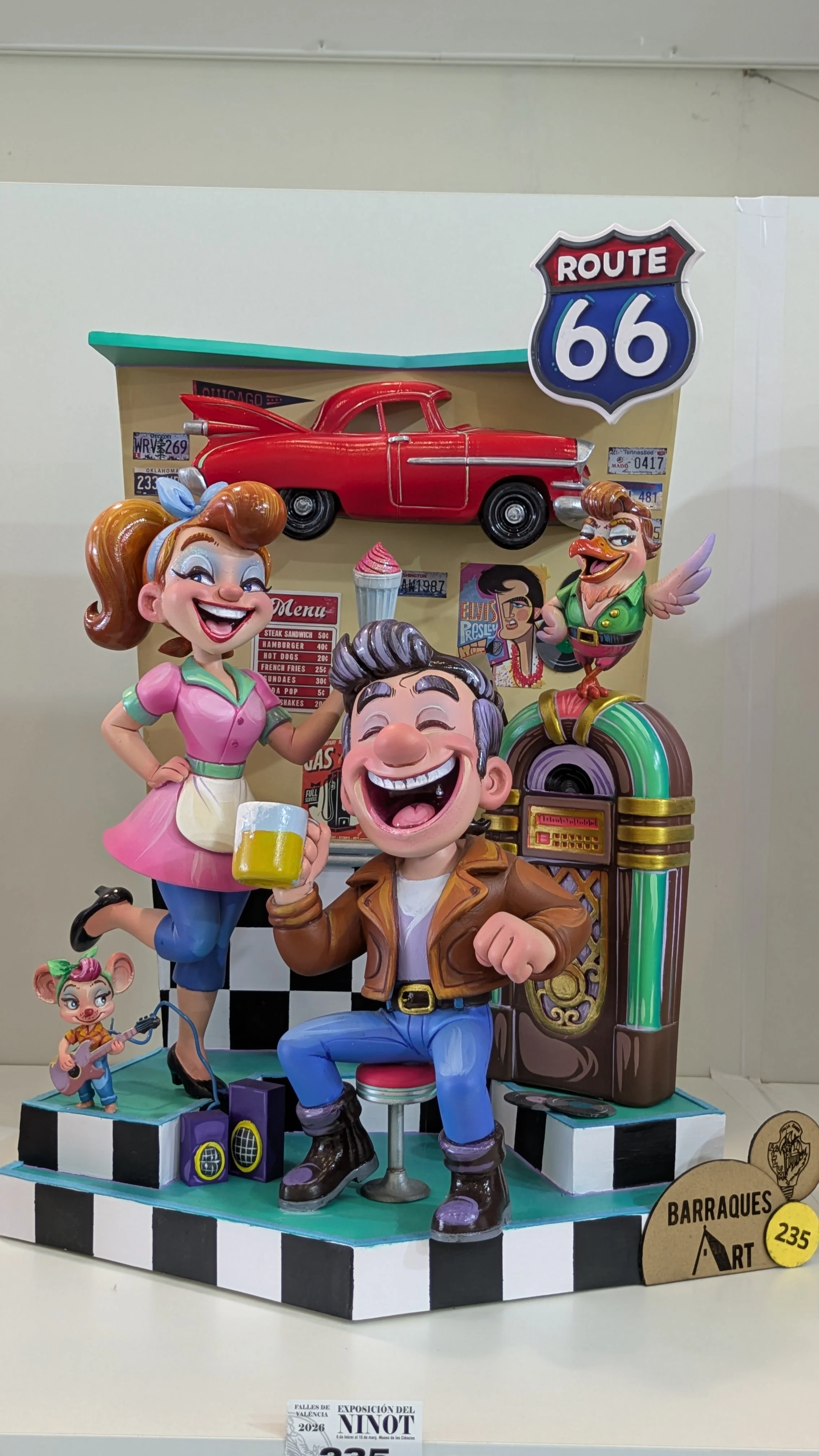
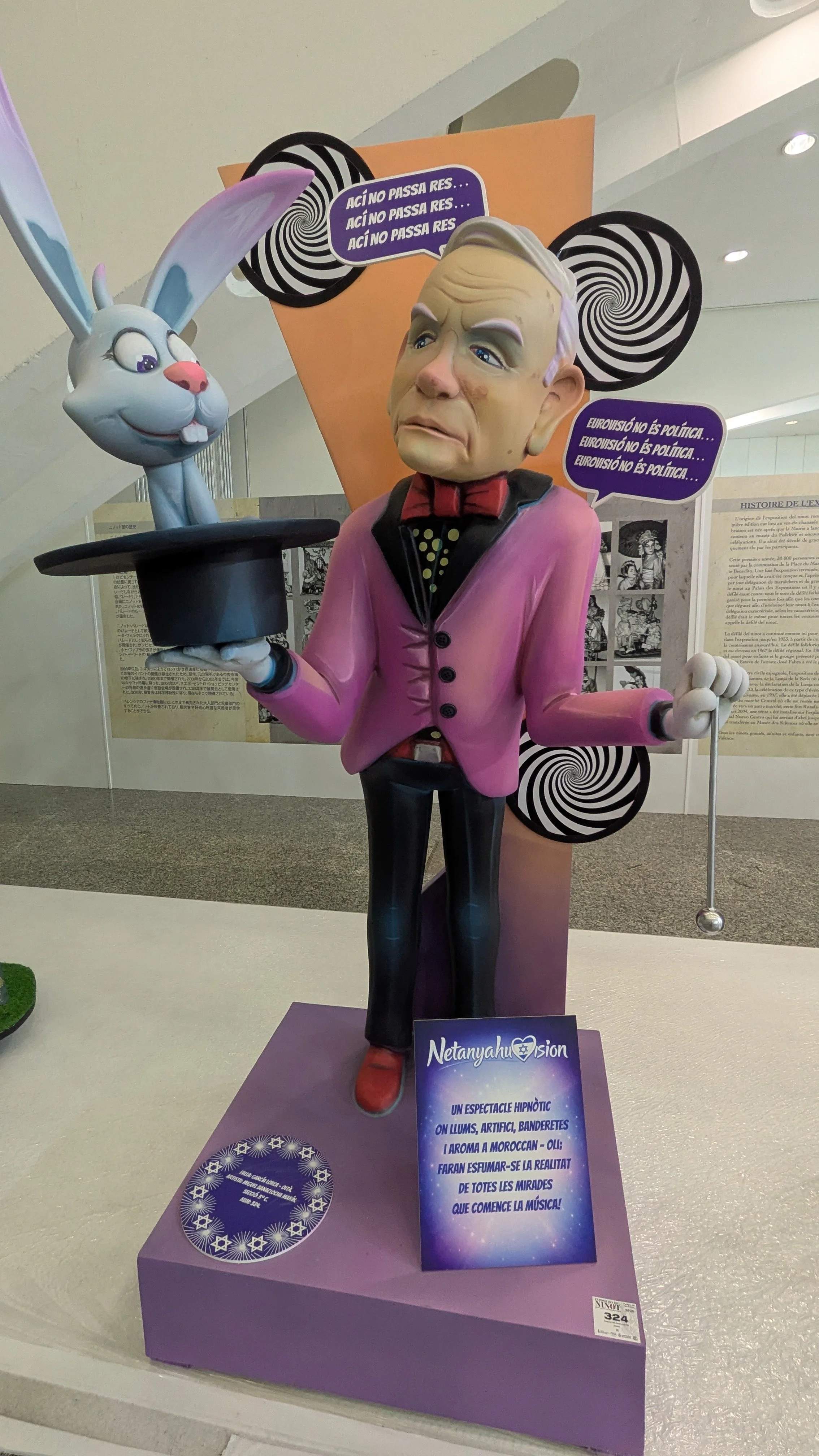
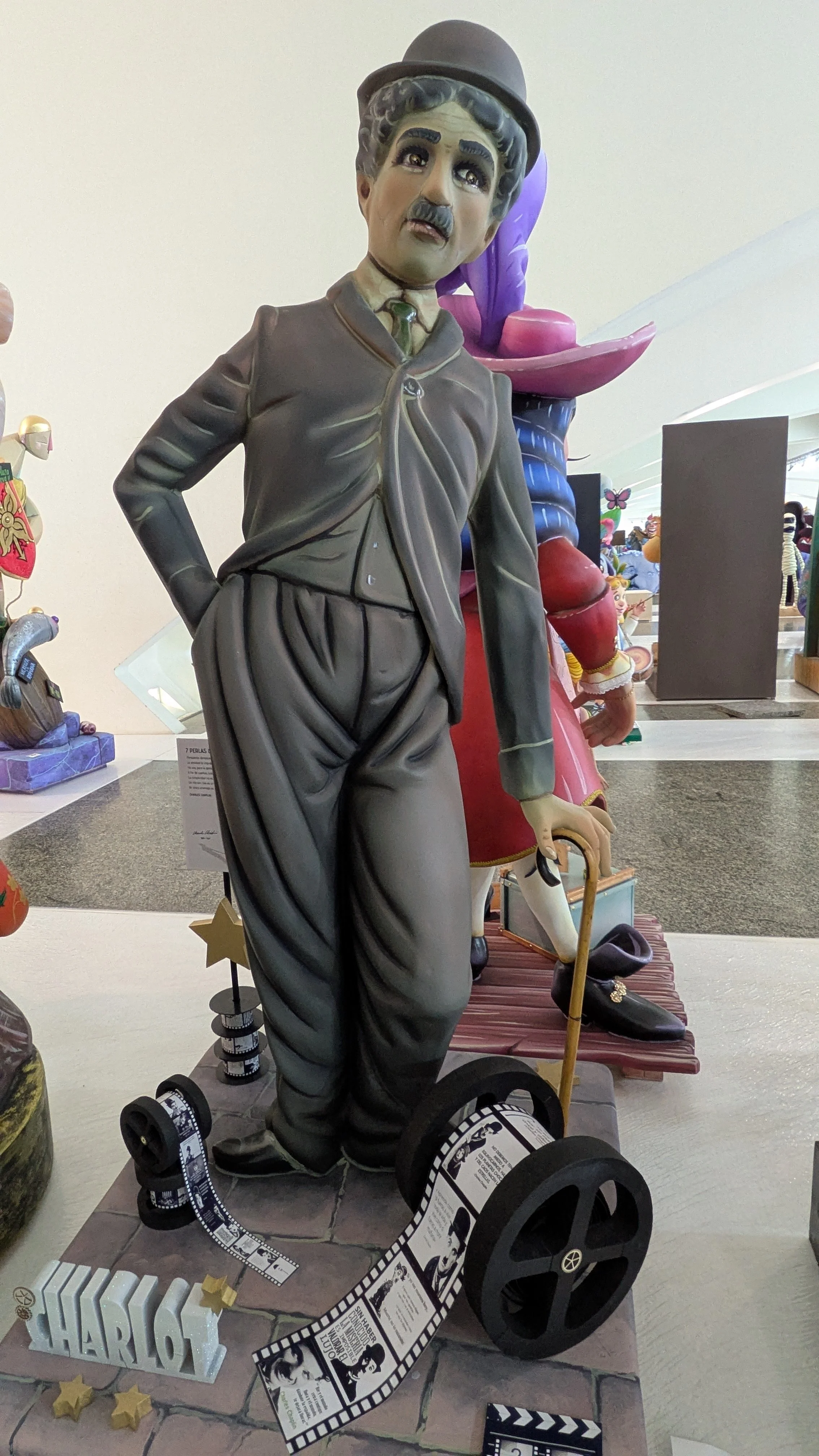

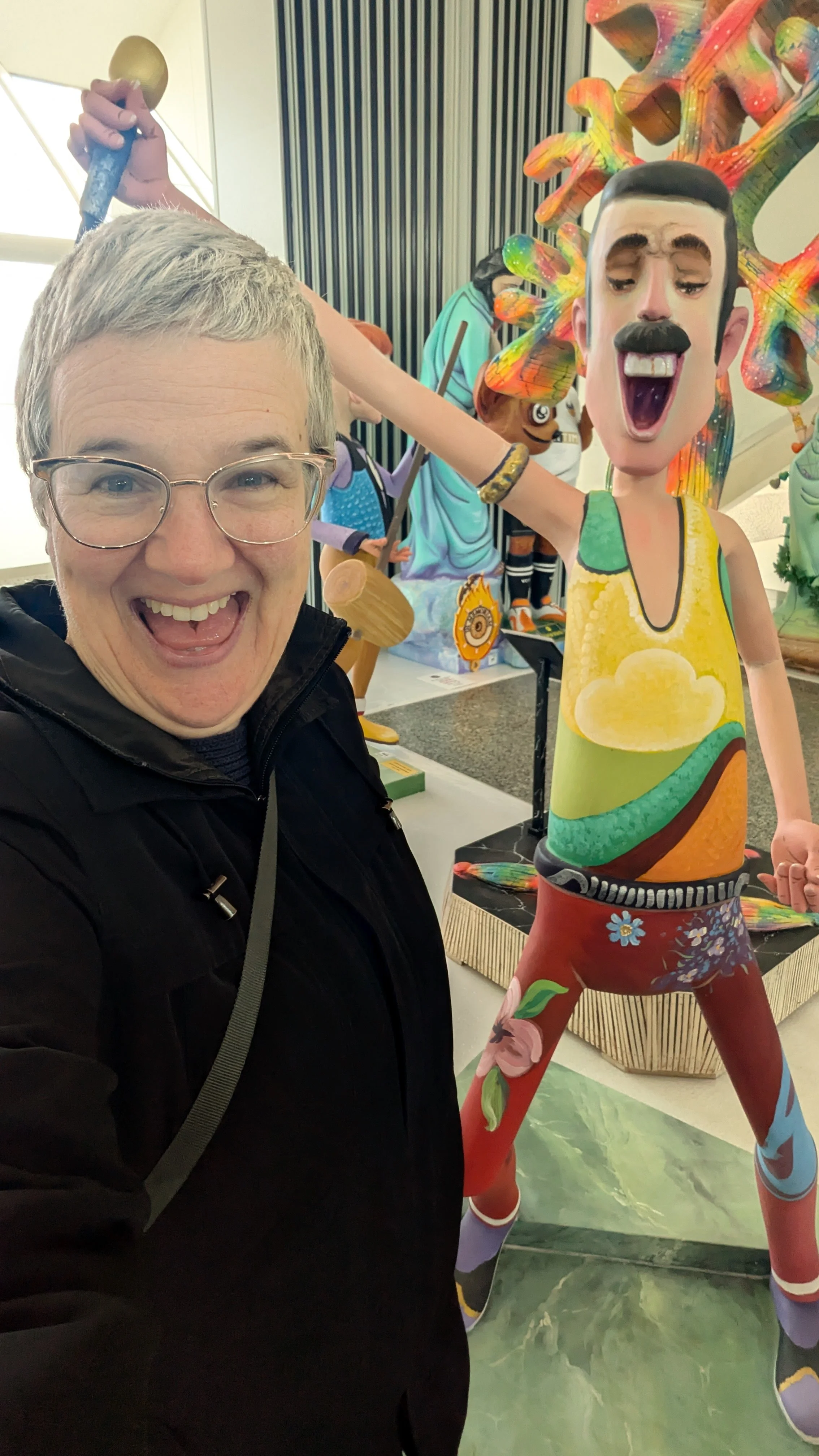

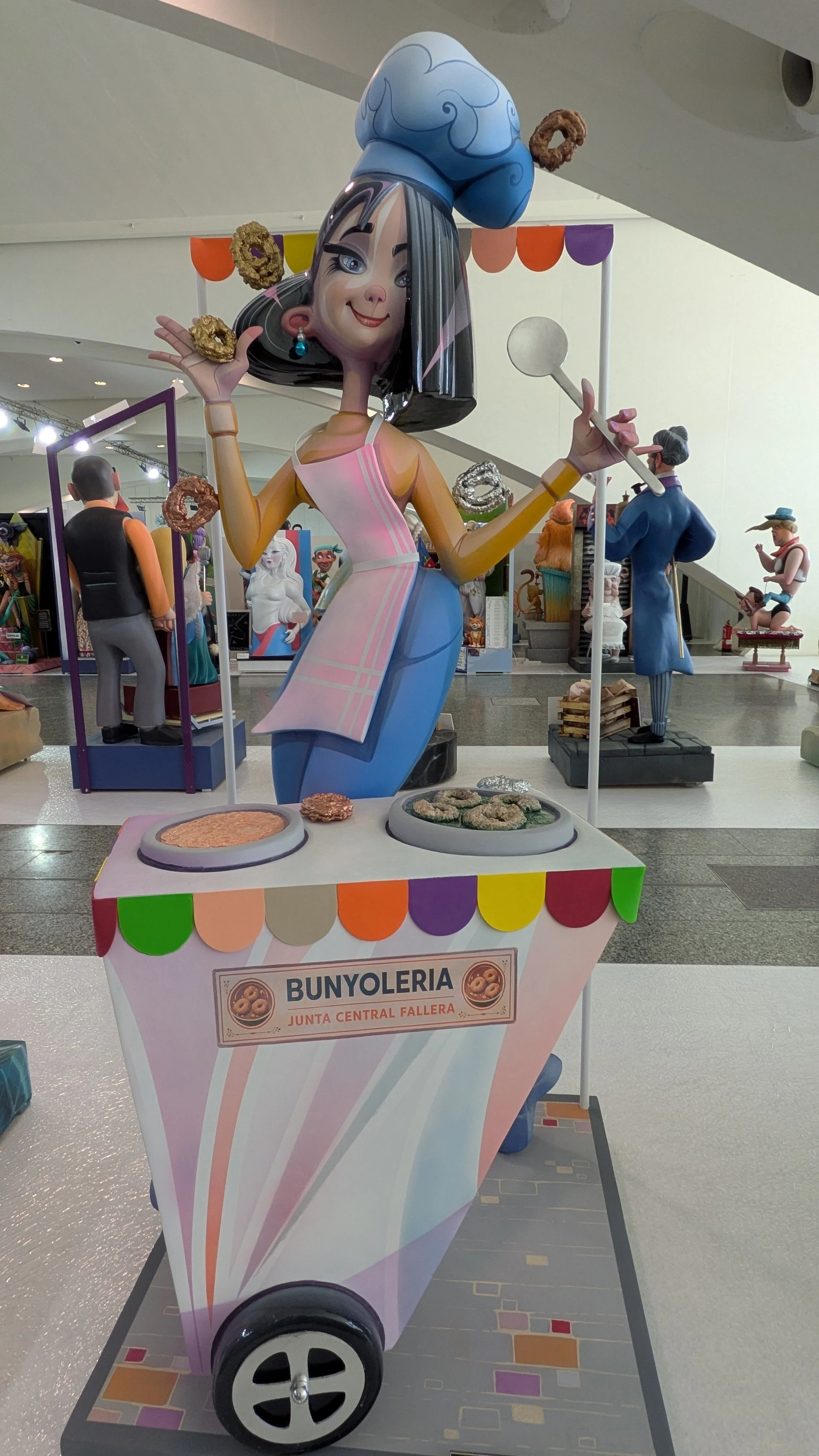
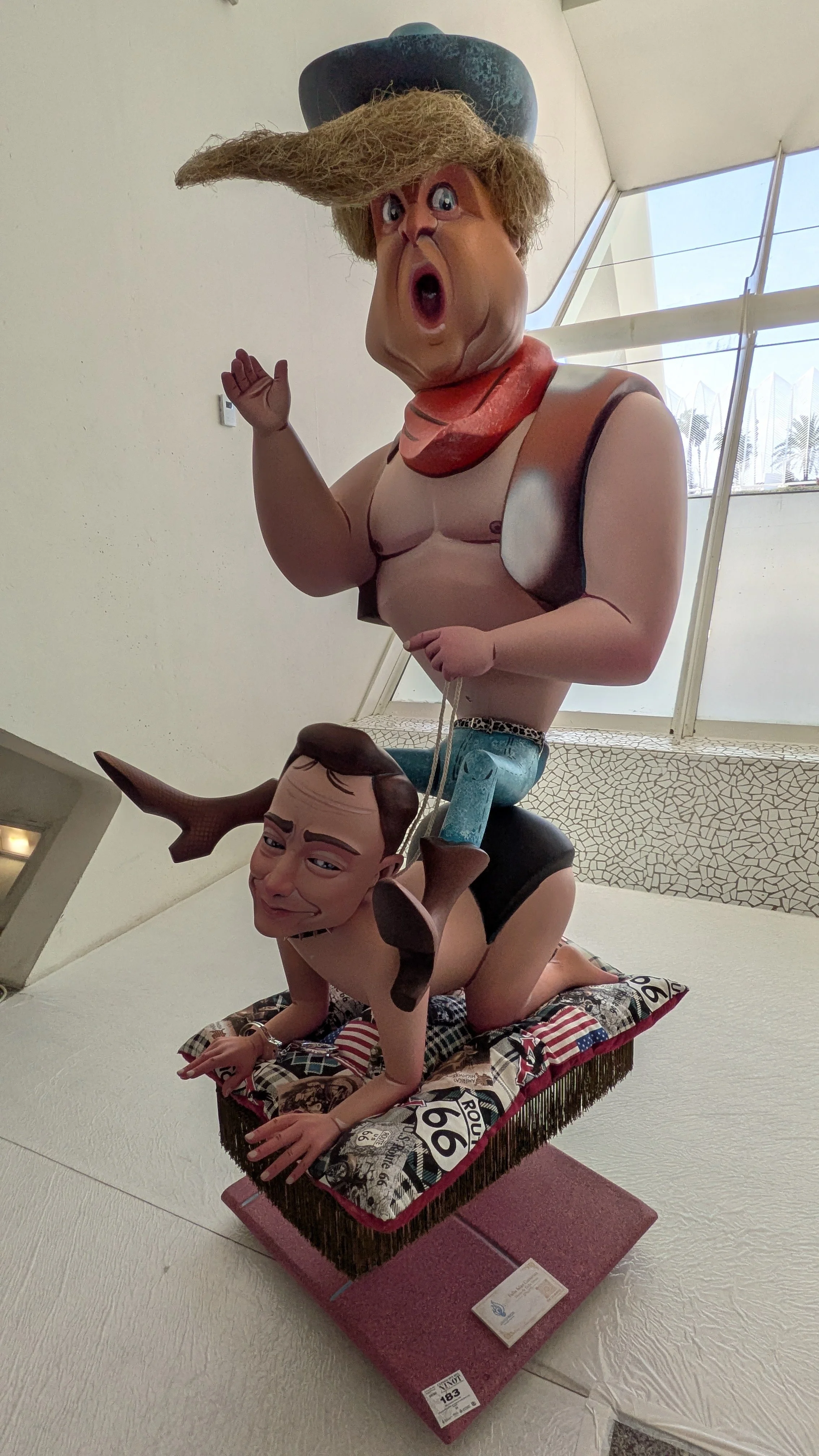
On March 15, all the ninots are added to the larger fallas sculptures as they are being constructed. For a few days, the city essentially becomes a giant outdoor art exhibition.
And then, at the end of the festival, they are all burned.
Mascletàs: The Daily Soundtrack of Fallas
Every day at 2:00 p.m. during the main days of the festival, thousands of people gather in the city center for one of the most unique events of Fallas: the Mascletà.
Held in Plaça de l'Ajuntament, a mascletà is not really about watching fireworks—it’s about feeling them.
This daytime pyrotechnic display is a carefully choreographed series of explosive bursts designed to build rhythm and intensity. The ground literally shakes as the explosions grow louder and faster, culminating in a dramatic final barrage known locally as the terremoto (earthquake).
It lasts only a few minutes, but the sound is unforgettable.
The Ofrenda: A Floral Tribute
One of the most beautiful and emotional events during Fallas is the Ofrenda a la Virgen de los Desamparados, usually held over two days. During this procession, thousands of participants dressed in traditional Valencian clothing walk through the city carrying bouquets of flowers. They present these flowers to a massive wooden structure of Virgen de los Desamparados, the patron saint of Valencia.
As the flowers are placed onto the structure, they gradually create a huge floral cloak that covers the statue. By the end of the event, the display is enormous and incredibly colorful. Even if you’re not religious, it’s a moving sight—and the traditional clothing alone is worth seeing.
Fireworks Every Night
Fireworks are a constant presence during Fallas. Some are small bursts that echo randomly through neighborhoods late at night. Others are large organized displays held every night at midnight in various places around the city.
One of the most spectacular events is the Nit del Foc, the “Night of Fire,” held near the end of the festival. It’s the biggest fireworks display of the entire celebration and draws enormous crowds.
During Fallas, it’s normal for fireworks to go off well past midnight. Bring earplugs if you are a light sleeper!
La Cremà: When Everything Burns
The festival ends on March 19 with La Cremà. On this final night, every falla sculpture across the city is set on fire. The smaller children’s fallas burn first in the evening. Then, late at night, the large monuments follow. Firefighters carefully control the burns while huge crowds gather to watch.
Months of work—sometimes an entire year of planning—go up in flames in just minutes. And that’s the point.
Fallas celebrates creativity, community, satire, and impermanence. The burning makes space for next year’s ideas, next year’s sculptures, and next year’s celebration.
By the time the final flames die down, the city is already beginning to reset. Until it all starts again next March.
Experiencing Fallas as a Visitor
Fallas can be chaotic, loud, and crowded—but it’s also one of the most unique cultural festivals in Europe.
If you’re visiting Valencia during this time, the best approach is simple: wander. Walk the neighborhoods to discover different fallas sculptures. Stop to watch a marching band pass by. Follow the sound of fireworks. Grab some churros or buñuelos (donuts) from a street stand.
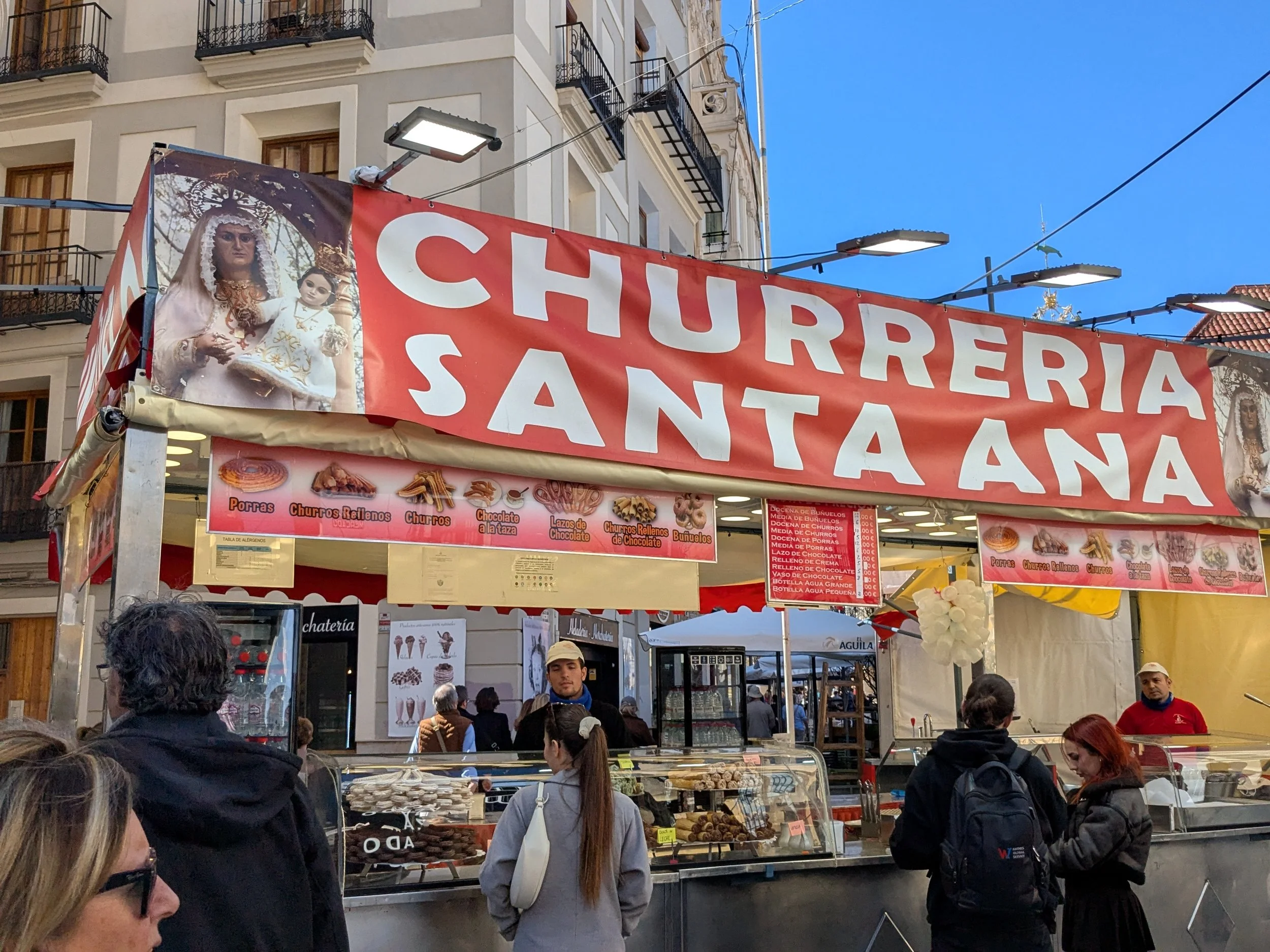
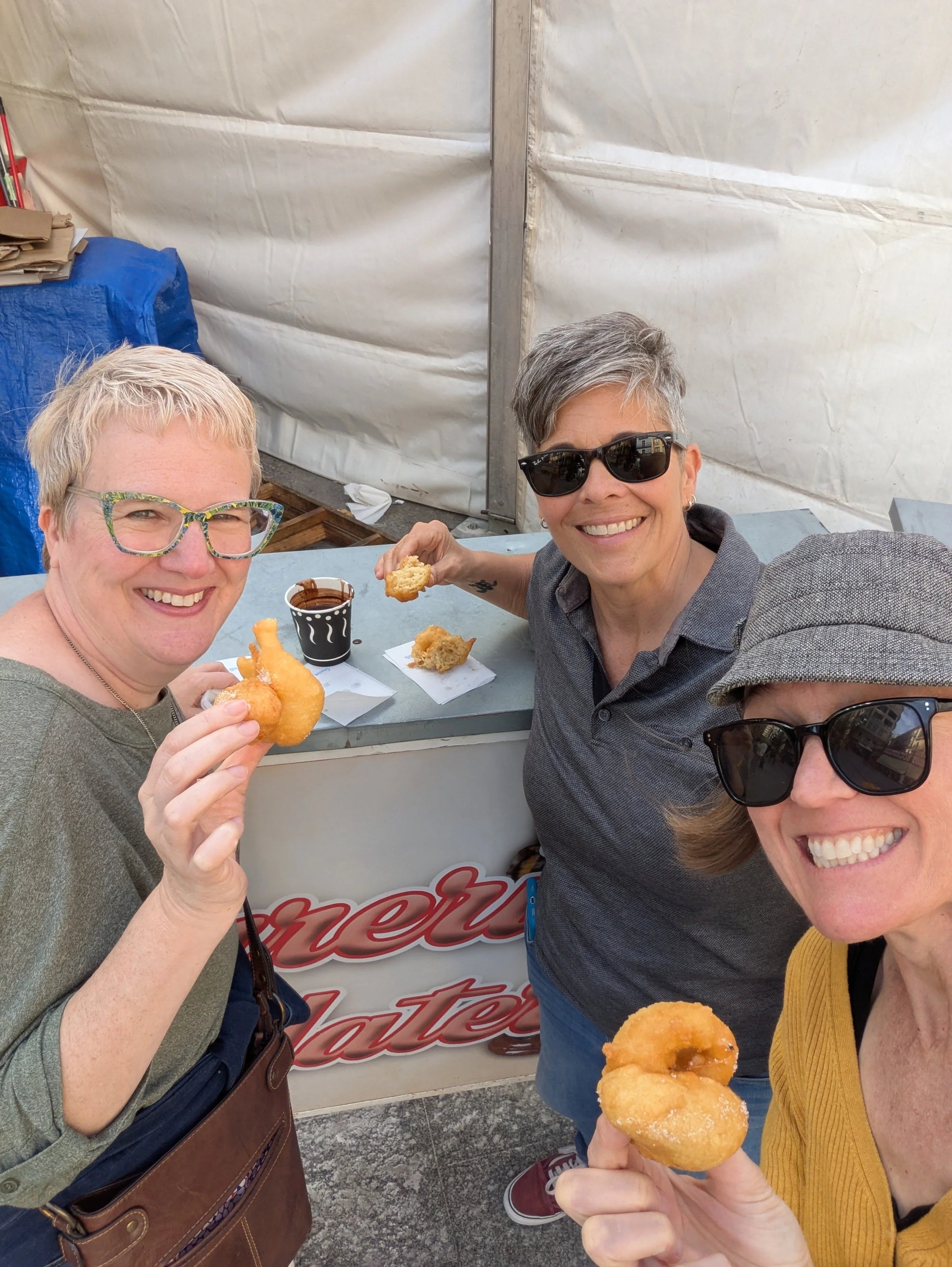
You may not understand everything that’s happening around you—but that’s part of the magic.
Tips for Visiting Fallas
If you’re planning a trip to Valencia during Las Fallas, a little preparation can make the experience much more enjoyable. Here are a few things that help first-time visitors navigate the energy and crowds.
Choose your neighborhood strategically.
Many of the largest sculptures and events are concentrated around the historic center and areas near Plaça de l'Ajuntament. Being able to walk back to your accommodation is extremely helpful, especially late at night when streets are closed and taxis are hard to find. But if you are a light sleeper, you may prefer to stay away from the noise.Expect crowds and noise.
Fallas is loud—day and night. Firecrackers go off throughout the city, sometimes starting early in the morning. If you’re sensitive to noise, bringing earplugs can make your visit much more pleasant.Arrive early for major events.
Signature experiences like the daily mascletà attract huge crowds. If you want a good viewing spot, plan to arrive well before the 2:00 p.m. start time.Wear comfortable walking shoes.
Streets close to traffic during the busiest days, so you’ll likely be walking a lot while exploring the different fallas sculptures throughout the city.Be flexible with your schedule.
One of the best ways to experience Fallas is simply wandering and seeing what you discover. You might stumble upon a neighborhood parade, a brass band, or an unexpected fireworks show.
Fallas is busy, noisy, and sometimes chaotic—but it’s also an unforgettable cultural experience that gives you a glimpse into the heart of life in Valencia.